 por
por The Rise of Biotechnology: Innovations in Genetic Engineering
Biotechnology has emerged as one of the most groundbreaking and rapidly advancing fields in science and technology. At the forefront of this revolution is genetic engineering, a discipline that allows us to manipulate the genetic makeup of living organisms. This article explores the rise of biotechnology and the innovative applications of genetic engineering that are reshaping the world as we know it.
Genetic Engineering: An Overview
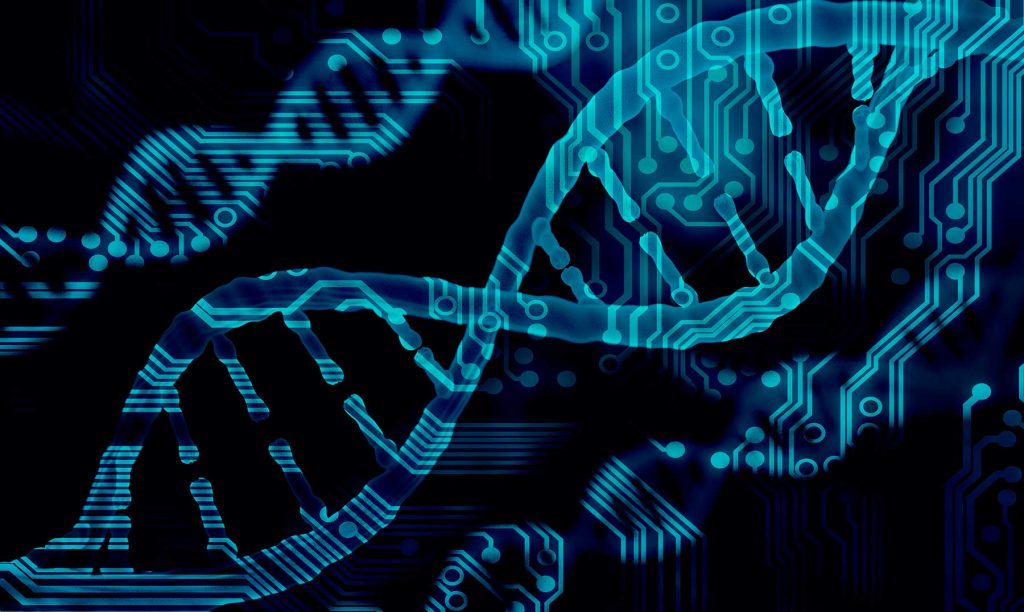
Genetic engineering, also known as genetic modification or genetic manipulation, involves the direct alteration of an organism’s genes using biotechnology. It allows scientists to insert, delete, or modify DNA within an organism’s genome. This technology has far-reaching implications for fields such as medicine, agriculture, and environmental conservation.
Key Components of Genetic Engineering:
- Recombinant DNA Technology: This is the foundation of genetic engineering. It involves the combination of DNA from different sources to create a new DNA sequence. Recombinant DNA is used to create genetically modified organisms (GMOs) or develop therapeutic proteins like insulin.
- CRISPR-Cas9: This revolutionary gene-editing tool allows for precise and targeted changes to DNA. CRISPR-Cas9 has applications in disease treatment, agriculture, and more.
- Synthetic Biology: This field focuses on designing and constructing new biological parts, devices, and systems, often with applications in medicine, energy production, and materials science.
Applications of Genetic Engineering:
- Medicine and Healthcare: Genetic engineering has paved the way for innovative medical treatments. It has revolutionized the production of therapeutic proteins, such as insulin and growth hormone, through genetically modified bacteria. Moreover, gene therapy is being explored as a potential cure for genetic diseases by replacing or repairing faulty genes.
- Agriculture: Genetic engineering has transformed agriculture by creating genetically modified crops that are resistant to pests and diseases, tolerant of environmental conditions, and enriched with essential nutrients. This technology is essential for increasing crop yields and addressing global food security.
- Biopharmaceuticals: Genetic engineering plays a crucial role in the production of biopharmaceuticals like vaccines, monoclonal antibodies, and enzymes. These products are used in diagnostics, disease treatment, and the development of personalized medicines.
- Environmental Conservation: Genetic engineering has the potential to address environmental issues. For example, researchers are developing genetically modified organisms that can break down pollutants and toxins, offering environmentally friendly solutions to remediate contaminated areas.
Innovations in Genetic Engineering:
- CRISPR-Cas9: The CRISPR-Cas9 gene-editing technology has revolutionized genetic engineering. It offers precise and efficient methods for modifying DNA, opening doors to new possibilities in medical treatments and crop improvement.
- Gene Drives: Gene drives are genetic systems that enable the spread of specific genes within populations. They have potential applications in controlling disease vectors, invasive species, and pests.
- Designer Babies: Advances in genetic engineering have raised ethical and moral questions about the concept of designer babies. While it’s not yet a widespread practice, it’s theoretically possible to edit the genes of embryos to select desired traits, sparking debates on the ethics and consequences of such interventions.
Challenges and Ethical Concerns:
- Ethical Dilemmas: Genetic engineering raises complex ethical questions about altering the genetic makeup of organisms. Issues like consent, unintended consequences, and potential misuse of the technology need to be addressed.
- Environmental Impact: The release of genetically modified organisms into the environment can have unforeseen ecological consequences. Ensuring responsible and safe use is a critical challenge.
- Regulation: Establishing effective and globally accepted regulations for genetic engineering is an ongoing challenge. Different countries have varying levels of oversight and standards for GMOs.
- Access and Equity: The benefits of genetic engineering should be accessible to all, regardless of economic or social status. Ensuring equitable access to genetic technologies is an issue that must be addressed.
The Future of Genetic Engineering:
- Personalized Medicine: Genetic engineering is moving toward personalized medicine, where treatments are tailored to an individual’s genetic profile. This has the potential to improve the effectiveness of treatments and reduce side effects.
- Sustainable Agriculture: Genetic engineering will continue to play a crucial role in developing crops that are more resilient and productive. This is essential for addressing global food security and adapting to climate change.
- Environmental Remediation: Genetic engineering can be used to develop organisms capable of cleaning up pollution and restoring damaged ecosystems, offering sustainable solutions to environmental challenges.
Conclusion: The Promise and Responsibility of Genetic Engineering
The rise of biotechnology, driven by genetic engineering, is transforming how we address medical conditions, produce food, and protect the environment. However, this transformative technology comes with significant responsibilities and ethical considerations.
Balancing the potential for innovation with the ethical concerns surrounding genetic engineering is essential for ensuring that biotechnology is harnessed for the betterment of humanity and the environment. Responsible research, robust regulation, and equitable access to the benefits of genetic engineering are critical to its successful integration into society.
In summary, genetic engineering is at the forefront of biotechnological advances, holding the promise of addressing pressing global challenges. Its applications in medicine, agriculture, and environmental conservation offer a glimpse of the potential benefits, but responsible and ethical use of this technology is paramount as we navigate this new era of biotechnology.