por
por The Internet of Things: Connecting the World Around Us
In the digital age, the Internet of Things (IoT) has emerged as a technological phenomenon that is reshaping the way we interact with the world. IoT refers to the interconnectedness of everyday objects, devices, and systems through the internet, enabling them to collect, exchange, and process data. This interconnected network of physical objects, often embedded with sensors and software, is changing the way we live, work, and interact with our environment. In this article, we will explore the world of IoT and its impact on our lives.
What is the Internet of Things?
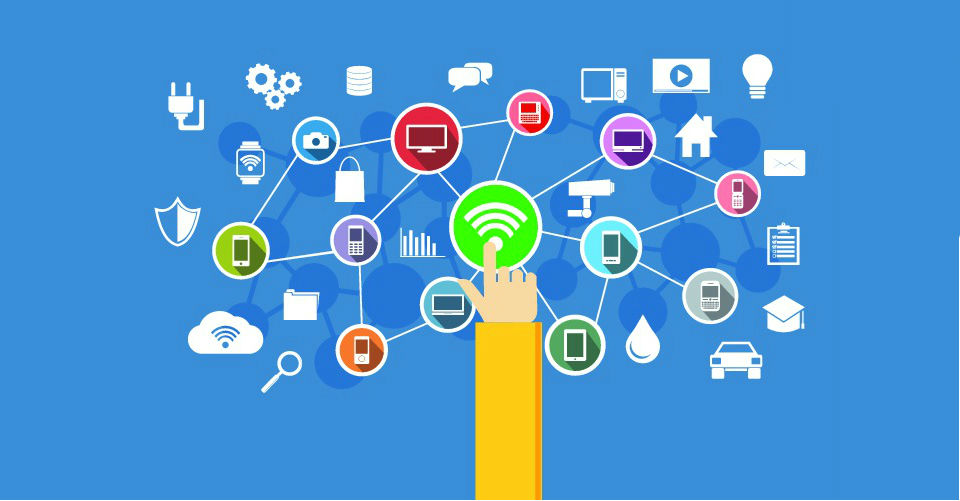
The Internet of Things is a vast network of interconnected devices and objects that communicate with each other and with users. These devices can range from everyday household items like thermostats and refrigerators to industrial machinery, healthcare equipment, and even vehicles. IoT devices are embedded with sensors, software, and network connectivity, allowing them to collect data, transmit it to other devices or central servers, and respond to specific conditions.
Key Components of IoT
- Sensors and Actuators: Sensors gather data from the environment, such as temperature, humidity, light, motion, and more. Actuators enable devices to perform actions based on the data received.
- Connectivity: IoT devices use various communication technologies like Wi-Fi, Bluetooth, cellular networks, and Low-Power Wide Area Networks (LPWAN) to connect to the internet and other devices.
- Data Processing and Analytics: IoT generates vast amounts of data. Data processing and analytics are essential for making sense of this data, extracting valuable insights, and enabling informed decision-making.
- User Interface: Many IoT applications have user interfaces, either through dedicated apps or web-based dashboards, to allow users to control and monitor connected devices.
Impact of IoT
- Smart Homes: IoT has transformed our homes into smart, interconnected environments. Smart thermostats, lights, security cameras, and appliances allow homeowners to control and monitor their homes remotely. These devices not only enhance convenience but also contribute to energy savings and security.
- Healthcare: In the healthcare sector, IoT is used for remote patient monitoring, wearable health devices, and smart medical equipment. It enables healthcare providers to collect real-time patient data and deliver better care.
- Agriculture: IoT applications in agriculture, known as precision agriculture, use sensors and data analytics to optimize crop management, irrigation, and livestock monitoring. This results in increased yields, reduced resource usage, and sustainable farming practices.
- Manufacturing: Industrial IoT (IIoT) is revolutionizing manufacturing processes. IoT sensors in factories collect data on machinery performance, quality control, and inventory management. This data is analyzed to improve production efficiency and reduce downtime.
- Transportation: The automotive industry is embracing IoT with connected vehicles that can communicate with each other and with traffic infrastructure. This technology has the potential to reduce accidents, improve traffic management, and enhance vehicle efficiency.
- Smart Cities: IoT is a cornerstone of smart city initiatives. It helps manage public services, transportation, utilities, and infrastructure. Smart city projects aim to improve urban living, reduce congestion, and enhance sustainability.
Challenges and Concerns
While IoT offers numerous benefits, it also raises several challenges and concerns:
- Privacy: The collection of extensive data from IoT devices can raise privacy concerns. Users may worry about the security of their personal information and how it is used.
- Security: IoT devices are vulnerable to hacking and cyberattacks. Ensuring the security of these devices and the data they collect is a significant challenge.
- Interoperability: Many IoT devices and systems are manufactured by different companies and may use different standards and protocols. Ensuring interoperability and seamless communication can be complex.
- Data Management: Managing and analyzing the enormous amounts of data generated by IoT devices is a significant challenge. This requires robust data analytics and storage solutions.
- Sustainability: As the number of IoT devices continues to grow, concerns about the environmental impact of manufacturing, power usage, and disposal of obsolete devices have arisen.
The Future of IoT
The Internet of Things is a dynamic field that continues to evolve. Some future developments include:
- 5G Connectivity: The rollout of 5G networks will enable faster and more reliable connections for IoT devices, opening up new possibilities for real-time applications.
- Edge Computing: Edge computing, which processes data closer to the source, will reduce latency and enhance IoT device performance.
- AI Integration: Artificial intelligence will play a more prominent role in IoT, enabling devices to make more autonomous decisions and improving data analysis.
- Blockchain for Security: Blockchain technology may be increasingly used to enhance the security and privacy of IoT data and transactions.
Conclusion
The Internet of Things is connecting the world around us, transforming the way we interact with our environment, homes, and workplaces. Its impact on various sectors, from healthcare and agriculture to manufacturing and smart cities, is profound. However, to fully harness the potential of IoT, we must address the associated challenges, such as privacy, security, and interoperability.
As IoT continues to evolve, it holds the promise of making our lives more efficient, sustainable, and connected. With careful consideration of ethical and security issues, we can shape a future where the Internet of Things enhances our quality of life while preserving our privacy and security.
In summary, IoT is a transformative force that is reshaping our world, connecting the devices and systems that surround us, and offering new opportunities for innovation and progress.