 por
por The Impact of Artificial Intelligence on Healthcare
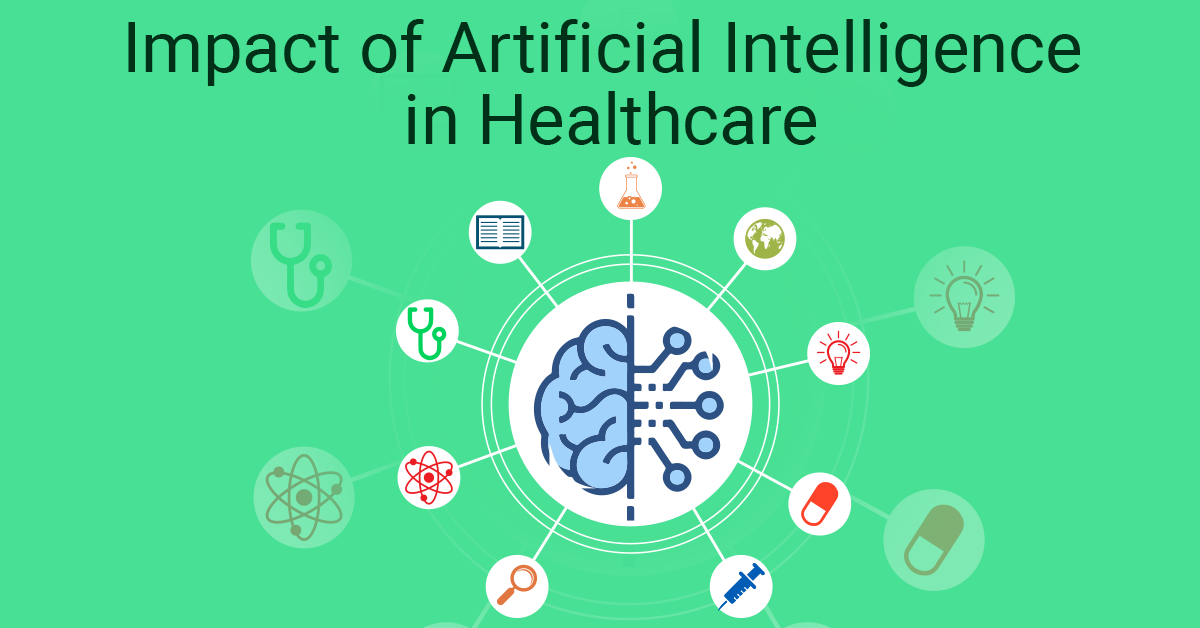
In recent years, artificial intelligence (AI) has emerged as a transformative force in the field of healthcare. Its potential to revolutionize the way we diagnose, treat, and manage illnesses is nothing short of remarkable. AI is not just another technological advancement; it’s a game-changer that holds the promise of improving patient outcomes, reducing healthcare costs, and even saving lives.
AI in Medical Imaging
One of the most prominent areas where AI is making a significant impact is in medical imaging. Traditionally, radiologists have played a critical role in interpreting X-rays, MRIs, and CT scans. However, AI algorithms are now capable of quickly and accurately analyzing these images, often with greater accuracy than human experts. This can lead to faster diagnosis and more effective treatments, especially in cases where time is of the essence, such as cancer detection.
Enhanced Diagnostics
AI is proving to be a boon in the diagnostic process. Machine learning algorithms can analyze patient data, from symptoms to medical history, and provide healthcare professionals with valuable insights. This not only speeds up the diagnostic process but also helps doctors make more accurate decisions. For instance, AI can assist in the early detection of diseases like diabetes, heart conditions, and certain types of cancer by identifying subtle patterns that might be missed by a human eye.
Personalized Treatment Plans
One of the most exciting aspects of AI in healthcare is the potential for personalized treatment plans. Each patient is unique, and AI can help create treatment plans tailored to individual needs. By analyzing a patient’s genetic makeup, medical history, and even lifestyle, AI can recommend the most effective treatment options and predict how a patient is likely to respond to a particular treatment. This level of personalization has the potential to increase treatment success rates and reduce the adverse effects of medications.
Telemedicine and Remote Monitoring
The advent of AI has also fueled the growth of telemedicine and remote patient monitoring. Patients can now receive medical consultations, advice, and even treatment from the comfort of their homes. AI-driven chatbots and virtual assistants can answer medical questions, and wearable devices can monitor vital signs and transmit data to healthcare providers in real-time. This is particularly beneficial for patients in remote or underserved areas and those with chronic conditions who need constant monitoring.
Administrative Efficiency
AI is not limited to clinical applications; it’s also streamlining administrative tasks in healthcare. From appointment scheduling and billing to managing patient records, AI can automate and optimize many aspects of healthcare administration. This not only reduces the administrative burden on healthcare staff but also minimizes errors and ensures that operations run more smoothly.
Drug Discovery and Development
The process of drug discovery and development is both time-consuming and expensive. AI is speeding up this process by analyzing vast datasets to identify potential drug candidates, predict their efficacy, and optimize clinical trial designs. This has the potential to bring new medications to market faster and at a lower cost, benefiting patients and the pharmaceutical industry.
Challenges and Ethical Considerations
While the potential of AI in healthcare is immense, it also presents a set of challenges and ethical considerations. Patient data privacy is a major concern. Ensuring that sensitive medical information is secure and used responsibly is paramount. Moreover, the potential for bias in AI algorithms must be addressed to avoid perpetuating healthcare disparities.
Conclusion
The impact of artificial intelligence on healthcare is profound and far-reaching. From improving diagnostic accuracy and speeding up treatment to personalizing care and enhancing administrative efficiency, AI is transforming the healthcare landscape. However, it’s essential to navigate this transformation carefully, addressing ethical concerns and ensuring that AI serves the best interests of patients. With responsible development and implementation, AI has the potential to make healthcare more accessible, efficient, and effective than ever before. As AI continues to evolve, we can expect even more breakthroughs that will benefit patients and healthcare providers alike.




Hi, this is a comment.
To get started with moderating, editing, and deleting comments, please visit the Comments screen in the dashboard.
Commenter avatars come from Gravatar.